
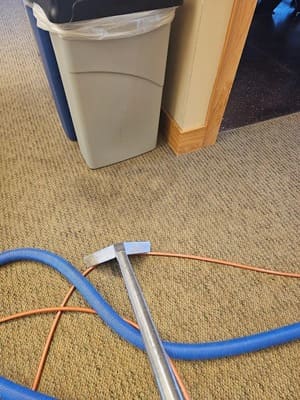
Rodent dropping cleanup carries a real hantavirus risk and should never be vacuumed or swept dry, which puts the virus airborne. The correct protocol is a wet-decontamination method: ventilate the space, suit up in PPE, saturate droppings and nesting material with a disinfectant, let it dwell, then remove everything as contaminated waste and disinfect the surfaces twice. In Tampa Bay, vacant commercial buildings, warehouse storage, and hot humid attics are the spots we see this most. Call (908) 902-1178.
What Hantavirus Is and Why a Florida Building Is at Risk
Hantavirus is carried by rodents and spreads to people mainly through the air when dried droppings, urine, or nesting material gets disturbed. The dangerous moment is almost never the contact itself. It is the cleanup. Someone walks into a back storeroom that has been closed for a season, sees a mess of droppings, grabs a broom or a shop vac, and the act of sweeping or vacuuming sends contaminated dust into the air they are breathing. That is the exact mistake the protocol exists to prevent.
Tampa Bay creates conditions that let rodent activity build up quietly. A commercial unit that sits empty between tenants, a warehouse corner stacked with pallets that nobody moves, a storage room behind a restaurant, an attic over an office suite. Add Florida heat and humidity and you get an environment where droppings accumulate and nesting material packs into corners over weeks. When the space finally gets opened up for a new tenant or an inspection, that is when somebody discovers the problem and reaches for the wrong tool.
I spent seven years in the Army, two deployments to Iraq, and time as a Military Police Investigator. What that work drilled into me is that the protocol matters most when the stakes are real. Rodent decontamination is one of those jobs where doing it the easy way is the wrong way, and the wrong way can make people sick. We do it by the book, every time.
The Wet-Cleanup Protocol, Step by Step
Ventilate first. Before anyone enters a sealed space with rodent evidence, we open it up and air it out for at least 30 minutes. Doors, windows, and where possible a directional fan moving air out of the space, not stirring it around inside. In a closed Florida storeroom that has been baking all summer, this step is not optional.
Suit up. Our crew wears the right personal protective equipment for biohazard work: gloves, an N95 or better respirator, eye protection, and disposable coveralls. As a HAZMAT-certified and First Responder-certified company, we treat this as the controlled-hazard job it is, not a routine wipe-down.
Saturate, do not sweep. Droppings, urine stains, and nesting material get sprayed thoroughly with a disinfectant and left to soak. Soaking is the whole point. A wet dropping cannot become airborne dust. We let the disinfectant dwell for the contact time on the label, then pick everything up with paper towels or absorbent material while it is still wet.
Bag as contaminated waste. Everything we remove, the droppings, the towels, the gloves, the coveralls, goes into sealed bags and is handled as contaminated material, not ordinary trash. Nesting material and any soft goods the rodents got into come out the same way.
Disinfect twice. After the visible material is gone, the surfaces, floors, shelving, and wall bases get a full disinfectant treatment, then a second pass. We finish with an eco-friendly, kid-safe and pet-certified green disinfectant so the space is safe for the next people who use it.
Where We See This Most in Tampa Bay
Vacant commercial units. A retail bay or office suite that has sat empty between tenants is the number one call. Property managers in Pasco, Pinellas, and Hillsborough counties often discover the problem during a turnover walkthrough, right when they need the space ready to lease.
Warehouse and storage. Pallet stacks, back rooms, and storage units give rodents cover and a food path. A warehouse that runs lean on housekeeping in low-traffic corners builds up activity nobody notices until inventory gets moved.
Attics and ceiling voids. Florida attics get hot, and a hot dark attic over an office or a strip-center suite is exactly where droppings and nesting build up out of sight. Humidity keeps the material from drying to dust the way it would in an arid climate, which means it can sit longer before anyone realizes the scale of it.
Restaurant and food-service back areas. Anywhere food is stored draws rodents. The cleanup here has to clear the health-code bar on top of the biohazard protocol, and it has to happen fast so the kitchen can reopen.
What This Service Does and Does Not Cover
Our job is the decontamination: removing the droppings and nesting safely, disinfecting the affected surfaces, and making the space usable again. We coordinate with a licensed pest-control company for the trapping and exclusion side, sealing the entry points so the rodents do not come back. Decontamination without exclusion just resets the clock, so we always recommend handling both. If you already have a pest-control vendor, we work alongside them. If you do not, we can point you to one we trust in the Tampa Bay area.
For a building that has had a significant infestation, we also handle the deeper follow-up: a full disinfection of adjacent areas, odor treatment, and a re-clean of any HVAC-adjacent surfaces that may have carried contamination through the air handling.
What It Costs in the Tampa Bay Area
Pricing for rodent dropping decontamination is scoped per job, not per square foot, because the variables are the size of the affected area, the volume of droppings and nesting, how accessible the space is, and how much contaminated material has to be removed. A single back storeroom is a different job than a 4,000 sq ft warehouse corner or an attic that has been active for a year. We come out, assess the contamination, and give you a flat quote before any work starts so you know what it’ll cost up front. Most single-room commercial cleanups land in a few hundred dollars; larger warehouse or attic remediation scales from there. Contact us for a free walkthrough of your space.
Tampa Bay Hantavirus Cleanup FAQ
Can I just vacuum up rodent droppings myself?
No. Vacuuming or sweeping dry droppings is the single most dangerous thing you can do because it puts the virus airborne where you breathe it. The safe method is to wet everything down with disinfectant first, let it soak, then remove it while wet. If you have a significant amount of droppings, call a HAZMAT-certified crew rather than handling it yourself.
Do you also get rid of the rodents?
We handle the decontamination, the safe removal and disinfection. For trapping and sealing the entry points, we coordinate with a licensed pest-control company. Decontamination without exclusion just lets the problem come back, so we recommend doing both. We can refer a trusted pest-control vendor in Tampa Bay if you need one.
How long does a commercial cleanup take?
A single storeroom is often a same-day job. A larger warehouse area or an active attic can take one to several days depending on the volume of contaminated material and how accessible the space is. We give you a timeline with the quote so you can plan around tenant turnover or reopening.
Is the space safe for staff and customers afterward?
Yes. We disinfect every affected surface twice and finish with an eco-friendly, kid-safe and pet-certified green product. The space is cleared for normal use once the cleanup and disinfection are complete and the area has been ventilated.
What does it cost?
It is scoped per job based on the size of the affected area, the volume of droppings and nesting, and accessibility. We assess your space and give you a flat quote before any work begins, so there are no surprises. Reach out for a free walkthrough.
Are your crews trained for biohazard work?
Yes. Patriot Building Solutions is HAZMAT-certified and First Responder-certified, and every crew member is background-checked and trained. We follow the wet-cleanup protocol every time, with full PPE and proper waste handling.
Need Hantavirus Cleanup in Tampa Bay?
Safe, by-the-book rodent dropping decontamination for commercial buildings across Pasco, Pinellas, and Hillsborough counties. Veteran-owned, HAZMAT-certified, 24/7 owner access.
Free Walkthrough (908) 902-1178