
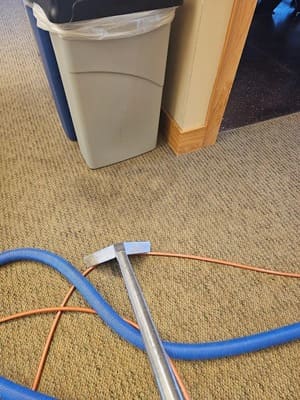
St. Petersburg’s condo boom ends every project the same way: a tower full of drywall dust, stickers, grout haze, and debris that has to become a finished building before the certificate of occupancy and the first closings. Post-construction cleaning runs in three phases, rough, final, and touch-up, with HEPA dust control, careful sticker and film removal, and crews that scale to the handover date. Builders who scope it early close on time. Call (908) 902-1178.
A City That Keeps Pouring Concrete
Anyone who has driven Central Avenue in the last few years has watched the skyline fill in. Condo and apartment towers keep rising through downtown St. Petersburg and the EDGE District, mixed-use projects stack residences over retail along the 1st Avenues, and the renovation wave keeps rolling through the older blocks behind them. Every one of those projects has a date circled on a calendar: the certificate of occupancy, the lender walkthrough, the first buyer closing. And between the last trade leaving and that date sits a building covered in construction dust.
Post-construction cleaning is the trade that closes that gap, and on a condo tower it is a bigger, more scheduled, more unforgiving job than most builders’ first bid assumes. Here is how the work actually runs on a St. Pete vertical project.
Three Phases, Not One Big Clean
Rough clean. After drywall, paint, and the messy trades wrap on a floor, the rough clean pulls debris, scrapes and sweeps the slabs, knocks down the bulk dust, and checks protective film, so inspectors and finish trades can work without wading through the mess. On a tower this runs floor by floor, chasing the trades upward.
Final clean. The deep one. Every unit detailed from ceiling to baseboard: cabinets cleaned inside and out, appliances unwrapped and polished, fixtures and hardware wiped, glass cleaned inside and edge-detailed, floors finished appropriately for the surface, restrooms and kitchens brought to move-in standard. Common areas, amenity decks, corridors, and the lobby get the same treatment on their own schedule.
Touch-up clean. The punch list always stirs the pot: a paint crew fixing wall dings, a plumber swapping a valve, a floor guy back for a transition strip. The touch-up pass lands after the punch work and the final walkthroughs, catching fingerprints, scuffs, and the fresh dust the last week always generates, so the unit that closes on Friday looks like the model did.
Dust Is the Whole Game
Drywall and silica dust is what makes construction cleaning its own discipline. It settles on every horizontal surface, inside every cabinet, on every ledge and door track, and into the HVAC registers of a building whose air handlers are about to run for the first time. A shop vacuum launches the fine fraction straight back into the air, where it resettles overnight on everything the crew just wiped. The right process is HEPA-filtered vacuums first, then damp-wiping, worked top-down through each unit so nothing lands on a finished surface twice.
In a Florida July there is a second clock running: humidity. Units sealed up and cooling for the first time will show every shortcut, and a building that turns over with dusty returns spends its first month redistributing construction dust through brand-new ductwork. We wipe registers and returns as part of the final phase so the air the first residents breathe is as new as the building.
Stickers, Film, and the Warranty Trap
A new tower arrives wearing thousands of manufacturer stickers: on window glass, appliance faces, plumbing fixtures, cabinet interiors, and shower enclosures, plus protective film on anything shiny. Pulling them off carelessly is how a cleaning line item becomes a warranty claim, razor scratches on low-e glass, solvent burns on lacquered hardware, adhesive smeared into fresh grout. Our crews match the solvent and the blade to the surface, test somewhere inconspicuous first, and take the time to lift residue without marking what is underneath. Grout haze on new tile gets buffed off properly, and light overspray comes off glass without a scratch to show for it.
Model Units Sell the Building
While the tower finishes, the sales team is closing units off a model and a gallery, and those two spaces carry the whole project’s first impression. They get a showroom detail beyond the standard final clean: glass without a single print, fixtures polished to catalog condition, floors dressed for their surface, and a refresh cadence that keeps them that way through months of walkthrough traffic. The same logic applies to the amenity floor before the lender tour and the lobby before the ribbon gets cut. When a space has to sell something, it gets cleaned like it does.
The full scope, phase by phase, lives on our St. Petersburg post-construction cleaning page, and everything else we do in the city is on our St. Petersburg service area page.
After Handover: The Building’s First Year
The relationship does not have to end at the ribbon cutting. A new tower’s first year is its hardest on the cleaning side: move-ins run for months, every elevator pad and corridor takes furniture traffic, the amenity deck gets discovered by every resident at once, and the developer’s finish standard collides with real life daily. Associations and property managers who carry the post-construction vendor straight into the building’s recurring program get a crew that already knows every finish in the building, which sealer is on the lobby stone, which glass scratches, which corridor carpet hides dirt and which shows it.
That continuity is worth real money. The vendor who cleaned the building empty knows what it looked like at its best, and that becomes the standard the recurring program defends: day porters through move-in season, trash-room and corridor care sized for actual occupancy, and amenity glass and fitness mirrors on a cadence that survives the first summer. It is the difference between a building that still shows like new at its one-year board meeting and one that already needs a restoration line item.
Built for the Superintendent’s Schedule
Our founder spent seven years in the Army, and a construction turnover is the most military-shaped job in this industry: a hard deadline, a written scope, and no credit for excuses. We plan backwards from the CO date, field bigger crews when the schedule compresses, work nights and weekends without drama, and split the building into zones so the clean follows the last trade out instead of waiting for the whole site to clear. Certificates of insurance and W-9s are ready for the vendor package, our crews respect site safety rules, and if the super finds something on the punch walk, we are back the same day under the no-worries guarantee. Builders who hand buildings over on time tend to call the same cleaning company on the next project, which is exactly the relationship we are after.
Post-Construction Cleaning FAQ
When should a builder bring in the cleaning contractor?
Before the rough clean is needed, ideally when the finish schedule firms up. Scoping the phases early lets the clean slot into the trade sequence instead of becoming the emergency at the end, and it gives the vendor time to plan crew sizes around the CO date.
What is the difference between a rough clean and a final clean?
The rough clean is a working-site clean: debris out, slabs swept, bulk dust down, so inspections and finish trades can proceed. The final clean is the move-in detail: every surface in every unit, cabinets in and out, glass, fixtures, floors, brought to handover standard. The touch-up pass after the punch list closes the loop.
How do you keep construction dust from coming back overnight?
HEPA-filtered vacuums instead of shop vacs, damp-wiping after vacuuming, and a strict top-down sequence per unit. The fine dust either leaves the building or it resettles; HEPA filtration and wet wiping are what make it leave. We also wipe HVAC registers and returns so the new system is not redistributing dust after turnover.
Can you handle sticker and protective film removal on new glass and appliances?
Yes, and carefully. The wrong blade or solvent scratches low-e glass and marks lacquered finishes, which turns cleanup into a warranty claim. We test in an inconspicuous spot, match the method to the surface, and lift adhesive residue without damaging what is underneath.
Do you clean occupied buildings during phased closings?
Yes. Towers often close floors in waves while trades finish above. We coordinate with the super and the property manager so finished floors get residential-grade care, work zones stay contained, and residents are not sharing elevators with debris carts during move-in hours.
How is post-construction cleaning priced?
From square footage, the phases needed, and the condition of the site, quoted flat after a walkthrough or a review of the plans. No hourly surprises, and builders who bring us across multiple projects get route pricing. The walkthrough costs nothing.
Closing Dates Do Not Move. Neither Do We.
Rough, final, and touch-up phases planned backwards from your CO date. Veteran-owned, money-back guarantee, 24/7 owner access.
Free Walkthrough (908) 902-1178